Alcohol Limits for Driving in Norway
Norway has one of the strictest drink-driving laws in the world. If you’re coming from the UK or the US — where having a pint with dinner before driving is common — you need to change your mindset completely. In Norway, the safe approach is simple: if you drink, don’t drive. Even a small amount of alcohol can put you over the legal limit.
The 0.2‰ limit
Norway’s blood alcohol concentration (BAC) limit is 0.2 promille (‰), equivalent to 0.02% BAC. This limit was lowered from 0.5‰ in September 2000, and it applies equally to all drivers — no higher threshold for experienced drivers, no lower one for learners. Everyone follows the same rule.
To put this in perspective: for many people, a single standard drink (a small beer or glass of wine) can push them to or above 0.2‰. The exact amount depends on body weight, metabolism, and whether you’ve eaten, but the margin is razor-thin. Most Norwegians simply don’t drink at all if they’re driving.
What happens if you’re caught
The penalties escalate sharply based on your BAC level:
| BAC Level | Consequence |
|---|---|
| 0.2–0.5‰ | Fine (typically ~1.5 months’ gross salary) |
| 0.5–1.0‰ | Fine + conditional imprisonment |
| 1.0–1.5‰ | Fine + conditional or unconditional imprisonment |
| Above 1.5‰ | Fine + unconditional imprisonment |
These aren’t theoretical penalties — Norwegian courts apply them consistently. The fine is calculated based on your income, which means a high earner can face a bill of tens of thousands of NOK.
Licence loss
If your BAC is above 0.5‰, you lose your driving licence for a minimum of 12 months. At higher levels, the loss period increases, and you may need to complete an alcohol education programme before getting your licence back. Even in the 0.2–0.5‰ range, repeat offenders face licence loss.
Drug driving
Norway doesn’t only test for alcohol. Since 2012, fixed legal thresholds exist for 28 specified substances, including cannabis, amphetamines, benzodiazepines, and opioids. These thresholds are calibrated to be equivalent to 0.2‰ alcohol, meaning the same strict standard applies.
If you use prescription medication that can affect driving (such as strong painkillers or sleeping pills), check with your doctor. Having a valid prescription is not an automatic defence if you’re found to be impaired.
Random breath tests
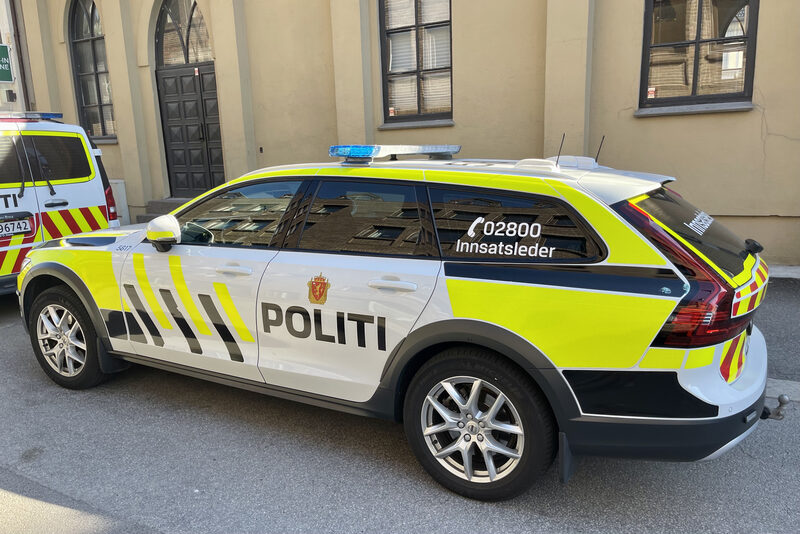
Norwegian police regularly conduct random roadside breath tests, especially on weekend nights and around holidays. They also use saliva tests for drug screening. You cannot refuse a test — refusal is treated the same as failing.
The morning after
One of the most common mistakes is driving the morning after a night of drinking. Alcohol takes roughly one hour per standard drink to leave your system. If you had several drinks at dinner, you may still be over 0.2‰ the next morning. When in doubt, wait longer or use a personal breathalyser.
Practical advice
- Zero tolerance is the safest policy. Don’t try to calculate whether one drink is “okay” — the margin is too thin.
- Designated drivers are the norm. Norwegians routinely arrange for a sober driver or take a taxi.
- Morning-after driving catches more tourists than you’d expect. Give yourself plenty of time after drinking.
- Prescription drugs count. If your medication has a drowsiness warning, it may trigger the drug driving thresholds.
How Norway compares
🇬🇧 United Kingdom vs. Norway
0.8‰ (80 mg/100 ml) in England, Wales, and Northern Ireland. 0.5‰ in Scotland.
0.2‰ — one of the strictest limits in Europe
🇺🇸 United States vs. Norway
0.08% BAC (equivalent to 0.8‰) in all states. Under 21: zero tolerance in most states.
0.2‰ for all drivers regardless of age