Winter Driving in Norway
Norwegian winters are beautiful — and demanding. Driving through snow-covered landscapes is unforgettable, but it requires preparation and respect for the conditions. If you’re visiting from the UK or a warmer US state, winter driving in Norway will be unlike anything you’ve experienced at home.
What to expect
Winter lasts roughly from October to April, longer in the north. You may encounter:
- Snow and ice on roads, including major highways
- Reduced daylight — in northern Norway, the sun doesn’t rise at all in December/January
- Black ice — roads that look clear but are coated in invisible ice
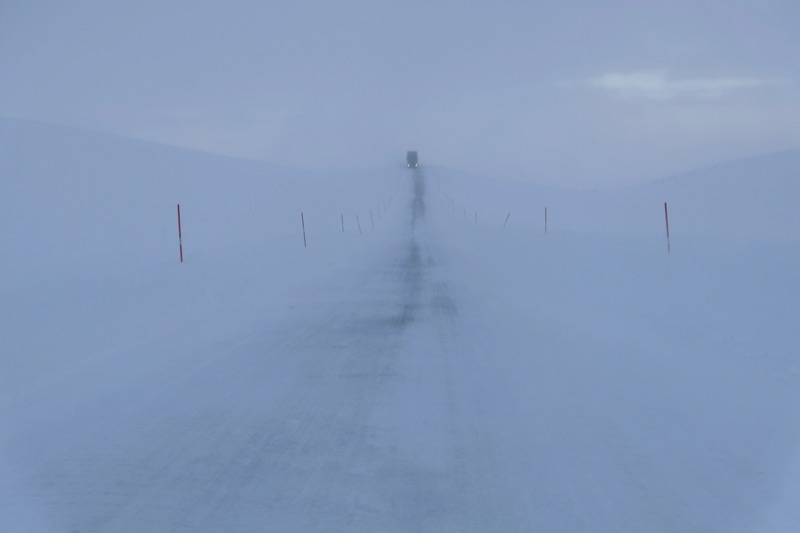
- Blowing snow reducing visibility to near zero
- Mountain passes that close without warning during storms
The good news: main roads are generally well maintained. Snowploughs and gravel trucks run frequently. But rural and mountain roads may not be cleared as often, and conditions can change rapidly.
Legal requirements
The most important rule is grip responsibility — you must ensure your vehicle has adequate road grip at all times. This means:
- Winter tyres are effectively mandatory (see winter tyres)
- You must reduce speed in poor conditions, regardless of posted limits
- Headlights must be on at all times, day and night
Mountain passes and road closures
Major routes crossing mountain plateaus are exposed to severe weather:
- Hardangervidda (E7/RV7)
- Haukelifjell (E134)
- Filefjell (E16)
- Routes in Nordland, Troms, and Finnmark
These roads can close for hours or days during storms. Statens vegvesen operates convoy driving (kolonnekjøring) when conditions allow — vehicles follow a snowplough in a controlled group. When roads are fully closed, you simply have to wait.
Check conditions at vegvesen.no or the Statens vegvesen app before long drives.
Driving techniques
If you’re not experienced with winter driving:
- Reduce speed well below the posted limit on icy or snowy roads
- Increase following distance — braking distances on ice can be 10x normal
- Avoid sudden movements — gentle steering, braking, and acceleration
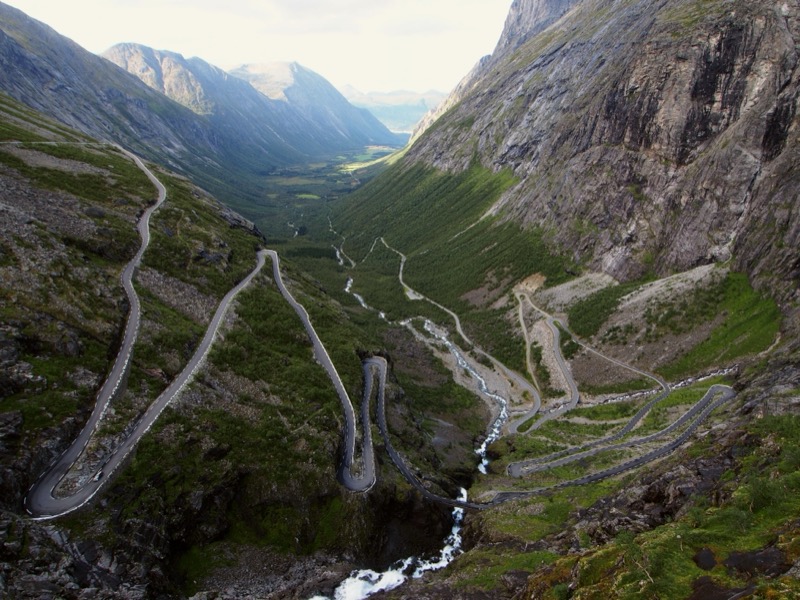
- Use engine braking on downhill slopes rather than braking hard
- If you skid, steer gently into the direction of the skid and ease off the accelerator
What to carry
There’s no legal requirement for a winter kit, but experienced drivers carry:
- Ice scraper and brush
- Tow rope — in case you or someone else gets stuck
- Jumper cables — cold kills batteries
- Warm clothes, blankets, food, and water — in case of road closures
- Fully charged phone
- Snow chains — for mountain passes
Practical tips
- Check conditions before every drive. Weather changes in minutes in the mountains.
- Fill up early. Petrol stations are far apart in rural areas.
- Allow extra time. Plan for 20–30% more travel time than summer.
- Respect road closures. Driving past a barrier is illegal and dangerous.
- Studded tyres help significantly on ice but are noisier on dry roads. Most Norwegians use them.
How Norway compares
🇬🇧 United Kingdom vs. Norway
Winter weather rarely requires special equipment. Gritting/salting is common. No legal winter driving obligations.
Legal obligation for adequate grip. Mountain passes may close or require chains. Headlights mandatory 24/7.
🇺🇸 United States vs. Norway
Varies by state — Florida has no winter concerns; Colorado and Montana have chain laws for mountain passes.
Nationwide grip responsibility. Roads close without warning. Cameras still enforce speed limits on icy roads.