Electric Vehicles in Norway
Norway is the world leader in electric vehicle adoption. As of recent years, over 80% of new car sales are fully electric, and the charging infrastructure reflects this. If you’re driving an EV in Norway — whether it’s your own car or a rental — you’ll find that the country is built for it in ways that few other nations can match.
EV incentives for driving
Electric vehicles enjoy several benefits on Norwegian roads:
- Reduced toll rates — EVs pay a maximum of 70% of the normal toll rate
- Free or reduced-rate parking — some municipalities offer free parking for EVs in public spaces, though this is being phased out in major cities
- Bus lane access — EVs were previously allowed to use bus lanes, but this has been restricted in congested areas like Oslo. Check local rules before assuming you can use bus lanes.
These incentives are gradually being reduced as EV adoption increases, but meaningful cost savings remain — especially for toll-heavy routes.
Charging infrastructure
Norway has one of the densest EV charging networks in the world:
- Fast chargers (CCS/CHAdeMO) are available along all major highways and at most rest stops
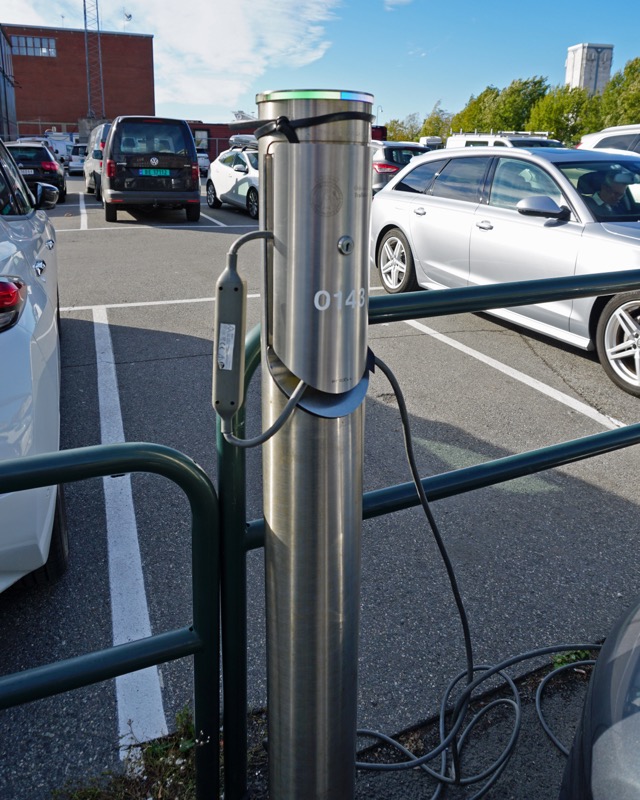
- Regular chargers are found at shopping centres, hotels, and parking garages
- Destination chargers at many hotels and Airbnbs
- Tesla Superchargers are widely available (and most are now open to non-Tesla vehicles)
Even in remote areas and along scenic routes, you’ll find charging options. Apps like Elbilforeningen’s charging map or A Better Route Planner help you plan charging stops.
Renting an EV
Many rental car companies in Norway offer electric vehicles. A few things to know:
- Plan your route with charging in mind. While infrastructure is excellent, some remote areas in northern Norway require more careful planning.
- Winter range reduction. Cold weather reduces battery range by 20–40%. Plan for this, especially on mountain routes.
- Familiarise yourself with the car’s charging system before setting off. Different cars use different charging apps and payment methods.
Practical tips
- Download a charging app before your trip. The main networks include Recharge, Circle K, Mer, and Tesla. Most accept credit cards at the charger.
- Watch your range in winter. Cold weather and heating the cabin eat into battery capacity significantly. Precondition the car while it’s still plugged in.
- Don’t count on bus lane access. The rules vary by city and change frequently. Oslo has largely phased out EV bus lane access.
- Charging etiquette: Move your car promptly once it’s charged. Some stations charge idle fees after charging is complete.
- Norway uses Type 2 (AC) and CCS (DC) connectors as standard. CHAdeMO is being phased out.
How Norway compares
🇬🇧 United Kingdom vs. Norway
EV incentives being phased out. Congestion charge exemption ended in London. Charging network growing.
Reduced toll rates for EVs. Extensive charging infrastructure. Free municipal parking in some areas.
🇺🇸 United States vs. Norway
Federal tax credit up to $7,500. HOV lane access in some states. Charging network expanding (Tesla Superchargers, Electrify America).
Reduced tolls, some free parking, extensive charging coverage even in rural areas.